Paulet High School, Burton-on-Trent
Leonor Cabral from Cascais, Portugal
Alison Tripp (Faulkes Telescope)
Vanessa Stroud (Faulkes Telescope, Open University)
Gina Lloyd (University of Glamorgan)
Edwin Russell
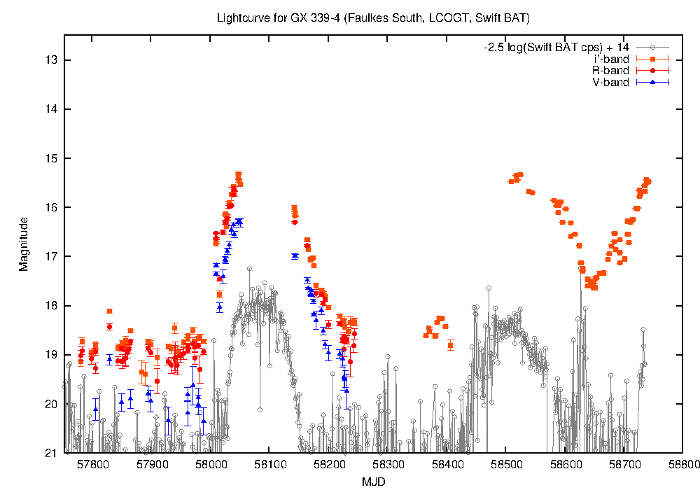
2017-2019 light curve
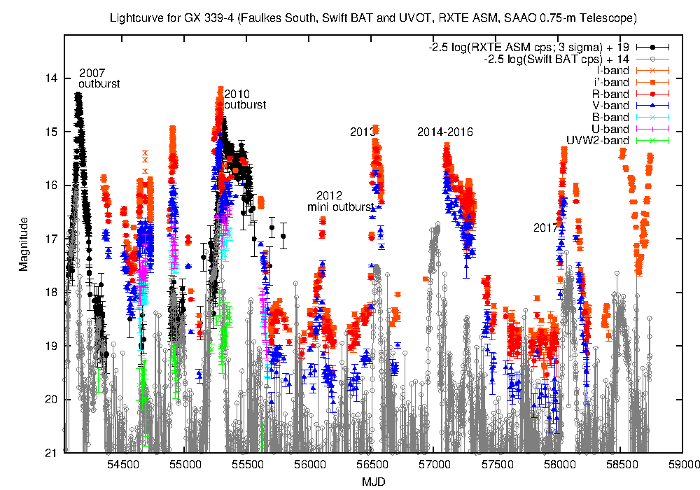
Long-term light curve
Papers to which we have contributed are “Overview of an extensive multi-wavelength study of GX 339-4 during the 2010 outburst” (Cadolle Bel et al., A&A) and “A Variable Mid-infrared Synchrotron Break Associated with the Compact Jet in GX 339-4” (Gandhi et al., ApJ).
Our ATels on GX339-4 are
#1586, #1962, #2270, #2459, #2547, #2573, #3191, #3383, #4162, #5252, #5594, #7434, #10797, #13024, #13113 #13264
Click here to return to the main XRB page
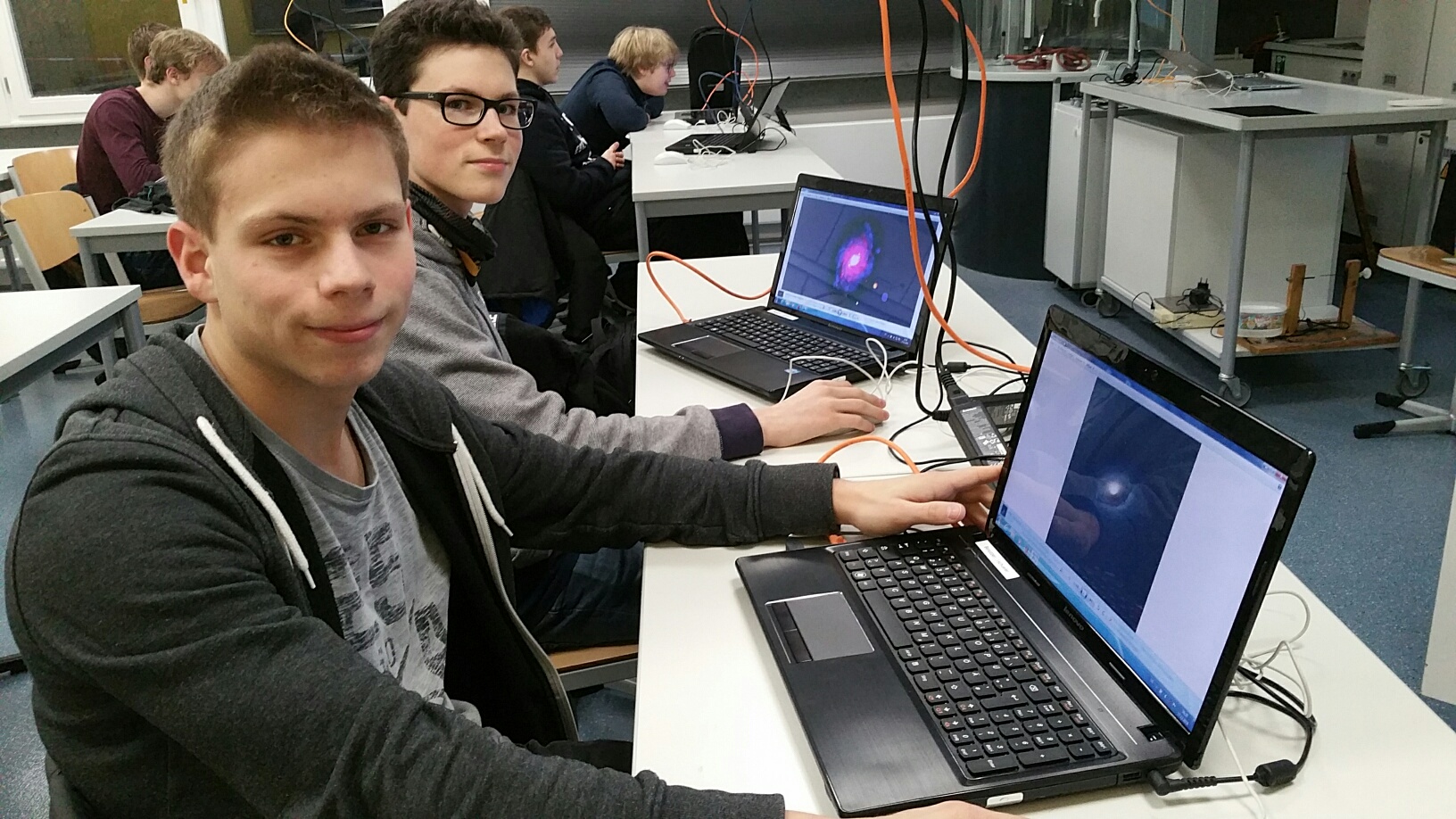
]]>The Evangelisches Gymnasium school in Lippstadt, German, led by Ronald Schuenecke, has been observing one such supernova with the Faulkes Telescopes. By observing the supernova over several days, they were able to watch the supernova when it was very bright at the beginning, before watching it become fainter over time as it lost its energy.
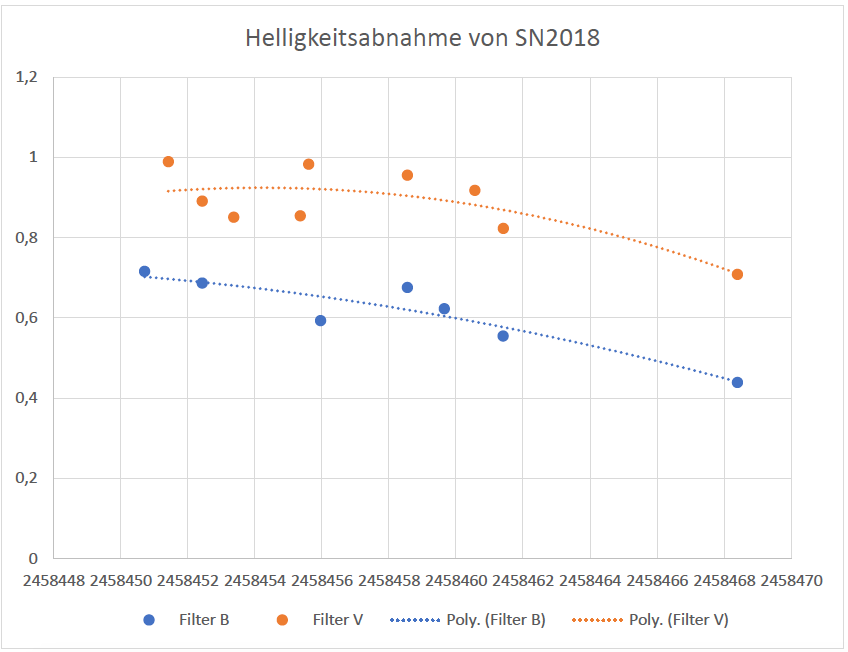
 Observing supernovae is very easy to do with the Faulkes Telescope project, yet provides an incredible look at one of the most energetic events in the Universe. If you’d like to find out more about how to observe a supernova, you can get in touch via our Contact Form and we’ll be happy to guide you.
Outburst i’-band images

Whole outburst light curve

Variability study on 2011-06-02

Variability study on 2010-09-26 (22 hours after the initial Swift trigger) and 2010-09-28


Variability study on 2010-10-05 (bad conditions)

Finding charts


Click here to return to the main XRB page
]]>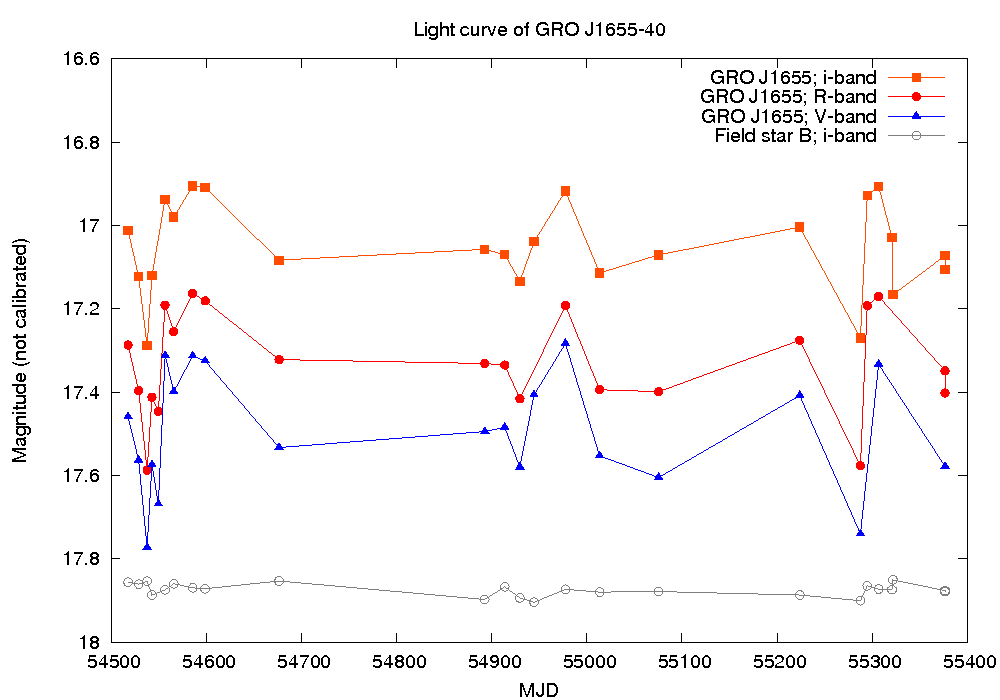 ]]>
]]>
Variability study on 2009-05-15: one 0.5 mag flare

Colour-magnitude diagram

Click here to return to the main XRB page
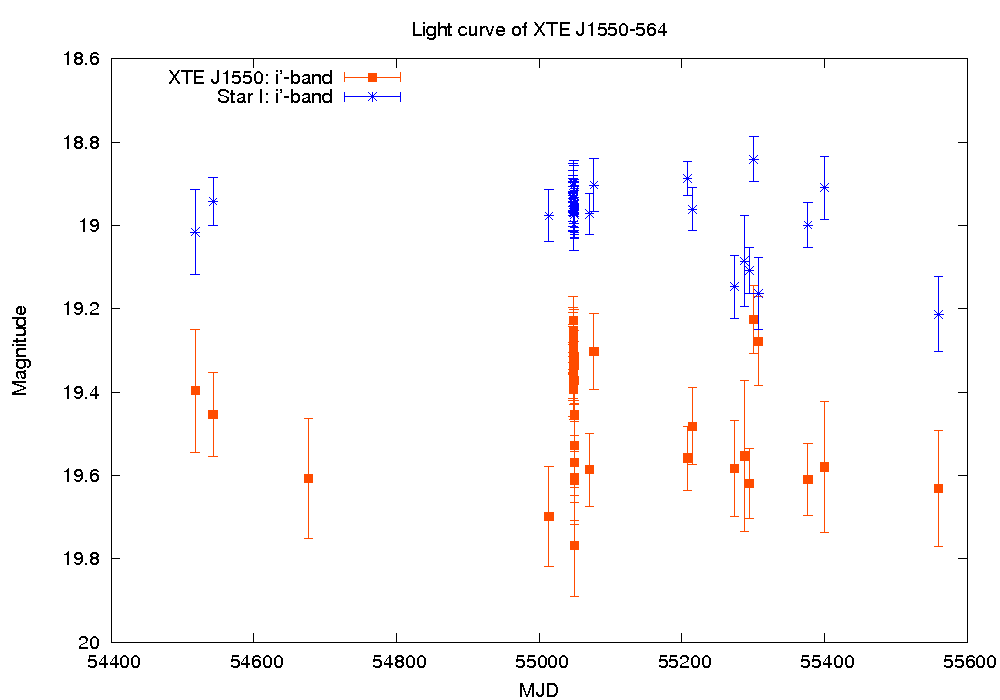
]]>
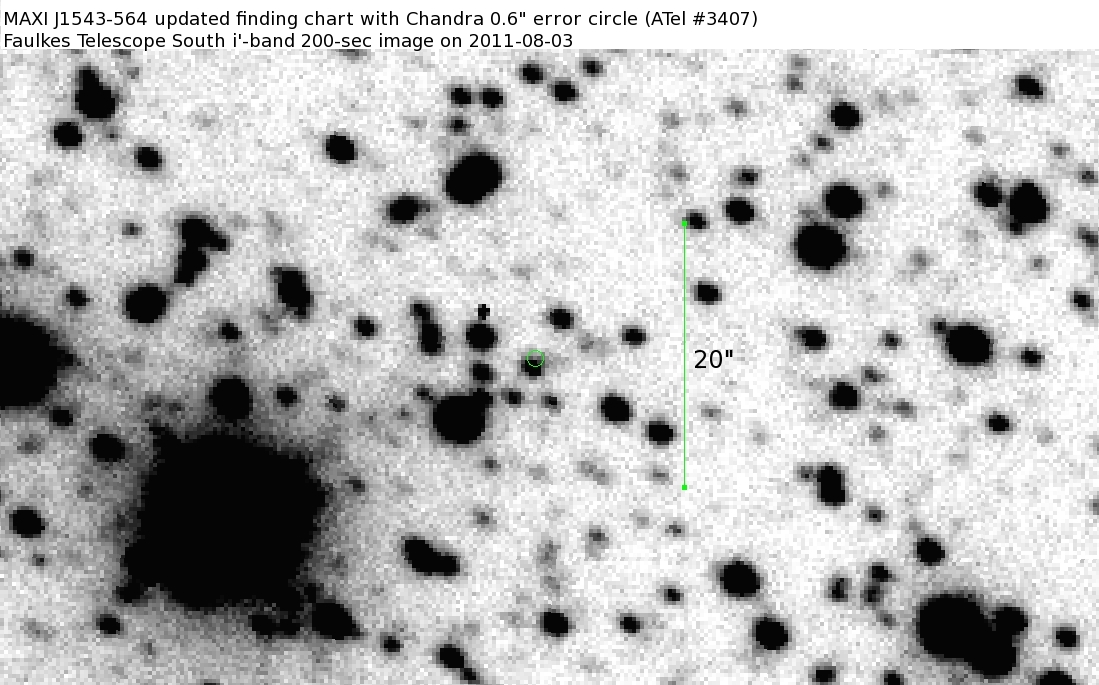
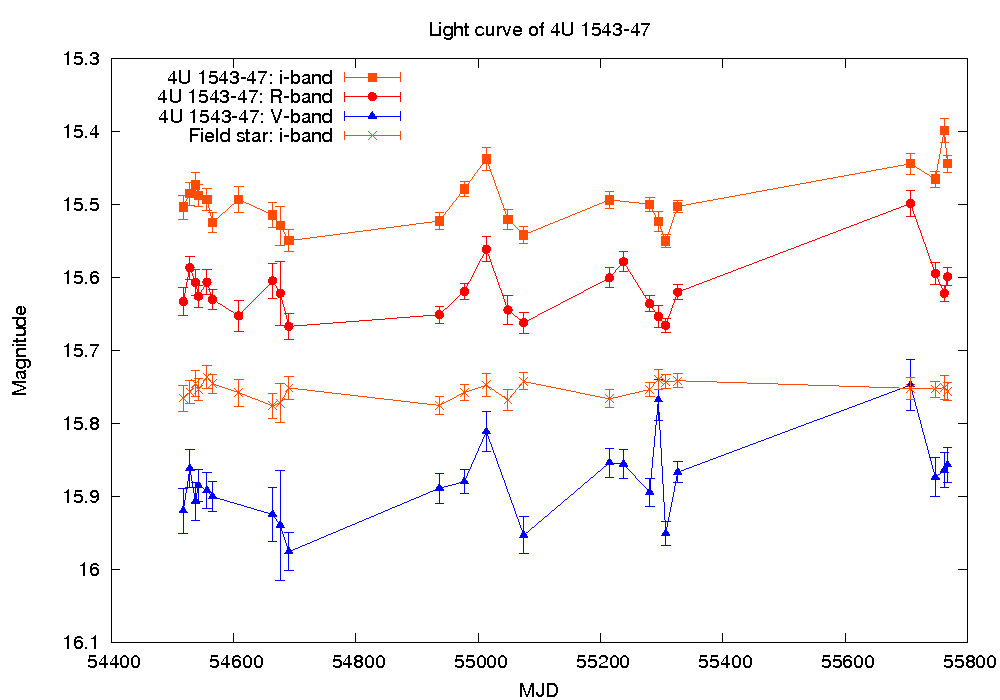 ]]>
]]>
Click here to return to the main XRB page
]]>2015 Outburst light curve

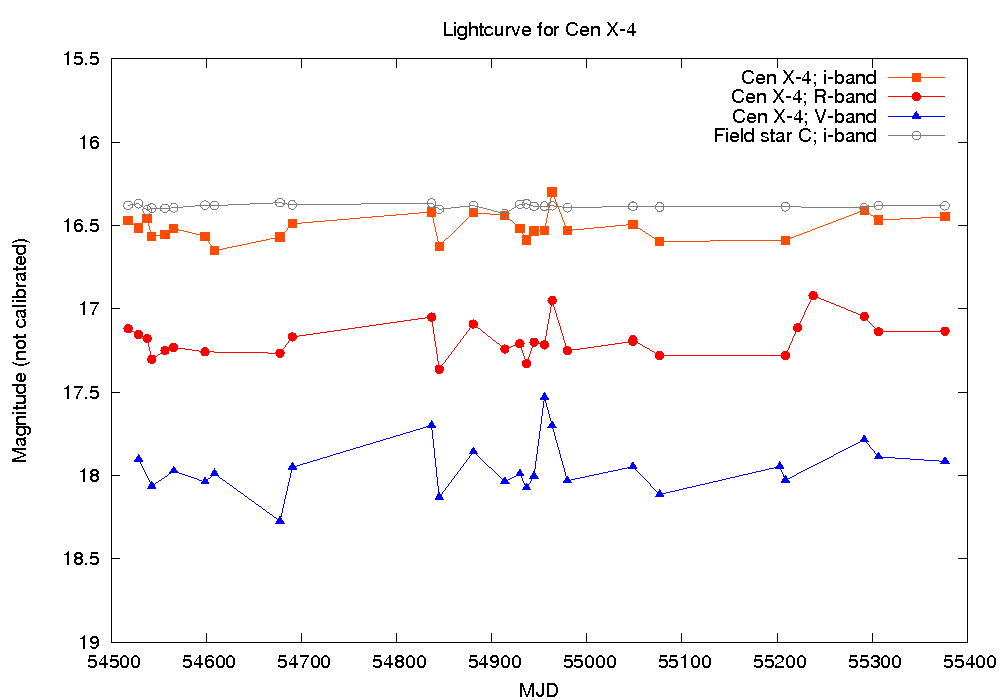
Long-term light curve

Click here to return to the main XRB page
]]>