FAULKES
TELESCOPE
PROJECT
Home
Observing
Real Time Interface (RTI)
Queue or RTI?
Monthly Targets
Projects
The Telescopes
Resources
Showcase
Image Gallery
Schools Showcase
Societies Showcase
Research Showcase
Information
About Us
FTP History
FTP Team
Events
Associated Projects
Down2Earth
VR & AR
Quarknet Cymru
Online Observatory
Trio Sci Cymru
Past Projects
Support
Register
Getting Started
Request Time
Book RTI slot
FAQ
Contact Us
News
LOGIN
REGISTER
TELESCOPE STATUS
WEATHER STATUS
Tweets by faulkestel
Join our mailing list
Faulkes Telescope Project
Privacy Policy
Search for:
News
Posted on
23/04/2018
by
Brychan Govier
FTP user wins 2nd place in “Jugend forscht 2023” competition
03/04/2024
/
News
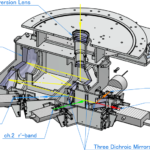
LCO Add MuSCAT4 to Faulkes Telescope South
07/11/2023
/
News
,
Observing
StAnD and deliver across Europe!
18/10/2023
/
News
Celestial Traiblazers: Unveiling Our Telescope Users
15/08/2023
/
News
,
Schools
,
Showcase
FTP in Catalan High Schools
06/08/2023
/
News
Will the Green Comet Ever Return?
06/04/2023
/
News
Visit Portugal in February with the Faulkes Telescope Project
23/12/2022
/
Events
,
News
,
Projects
Comet 29P is erupting again!
24/11/2022
/
News
,
Observing
Comet 29P outburst is causing excitement!
01/12/2022
/
News
,
Observing
FTP Europlanet promotes German Teacher Training Event in November
20/10/2022
/
News
Discovering the scientists of the future
18/09/2022
/
News
Space For All – Galileo Teacher Training Program
14/09/2022
/
Events
,
News
1
2
3
…
10
›
Posted in
© Faulkes Telescope Project